
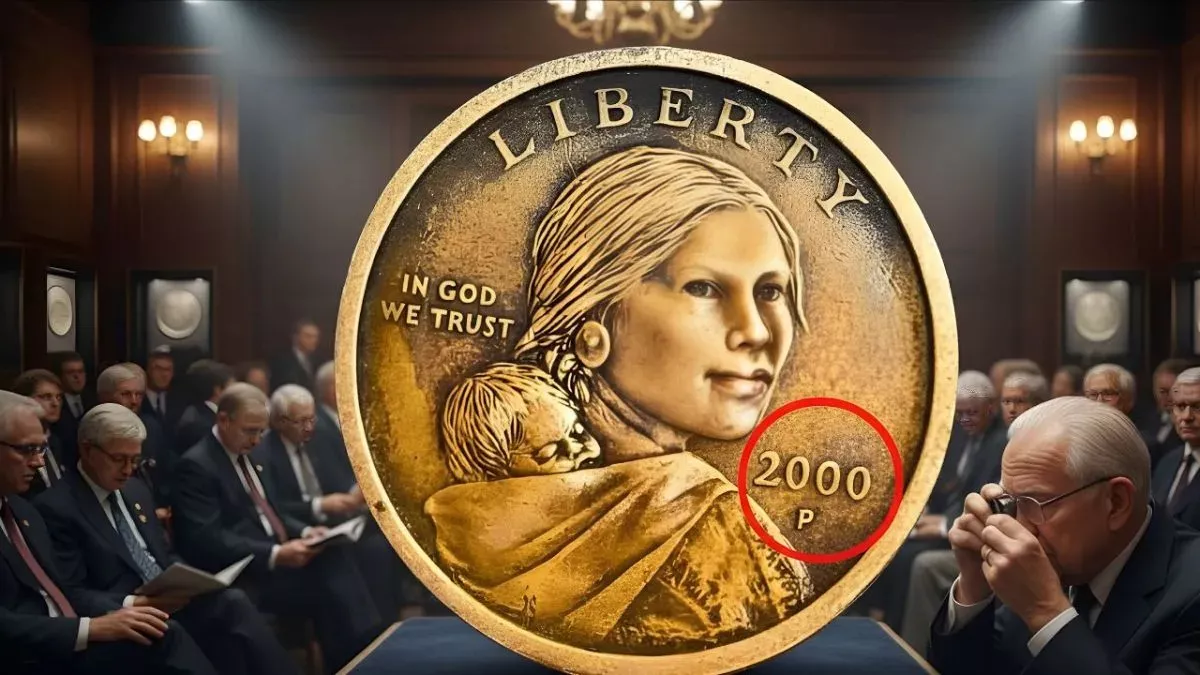
The Sacagawea dollar remains one of the most fascinating modern U.S. coins, admired for its beautiful golden tone and historical significance. First issued in 2000, this coin honors Sacagawea, the Shoshone woman who helped guide the Lewis and Clark expedition.
But beyond its symbolism, collectors in 2026 are discovering that some Sacagawea dollars can be worth far more than their face value—depending on the year, mint mark, and rare errors.
The Origin of the Sacagawea Dollar

The Sacagawea dollar was introduced to replace the unpopular Susan B. Anthony dollar. The U.S. Mint aimed for a coin that was visually distinct and durable, using a golden-colored manganese brass alloy. The obverse features Glenna Goodacre’s portrait of Sacagawea carrying her infant son, Jean Baptiste.
The reverse, designed by Thomas D. Rogers, Sr., originally showed a soaring eagle before transitioning to annual reverse designs under the “Native American $1 Coin Program” beginning in 2009.
Understanding Sacagawea Dollar Values in 2026
Most Sacagawea dollars remain worth their face value in circulation. However, collectors seek specific years and conditions that significantly raise value. Coins in uncirculated (MS65 or higher) or proof condition can sell for $5–$20, while rarer varieties can reach hundreds or even thousands of dollars.
Key factors affecting value include:
- Year and Mint Mark: Coins struck in certain years or at specific mints are more desirable.
- Condition: Higher-grade coins fetch premium prices.
- Errors and Varieties: Mistakes in minting often increase value dramatically.
Valuable Sacagawea Dollar Years and Mint Marks
While common dates are widely available, certain issues stand out:
- 2000-P “Cheerios Dollar” – One of the most famous varieties, distributed in Cheerios cereal boxes as a promotion. These coins have enhanced tail feather details on the eagle, making them worth up to $5,000 or more in pristine condition.
- 2000-P and 2000-D – Early issues are popular with collectors; uncirculated versions can reach $10–$20.
- 2001-D and 2002-P/D – Fewer were made as circulation demand fell, slightly increasing collector interest.
- 2009–2024 Native American Dollars – Coins from limited mintages or special sets often trade between $2 and $10 depending on grade.
Common and Rare Sacagawea Dollar Errors
Minting errors are among the main reasons some Sacagawea coins skyrocket in value. Here are a few notable ones:
- 2000-P “Wounded Eagle” Error: A die gouge through the eagle’s breast feathers creates the illusion of a wound. Values can exceed $250–$400 depending on grade.
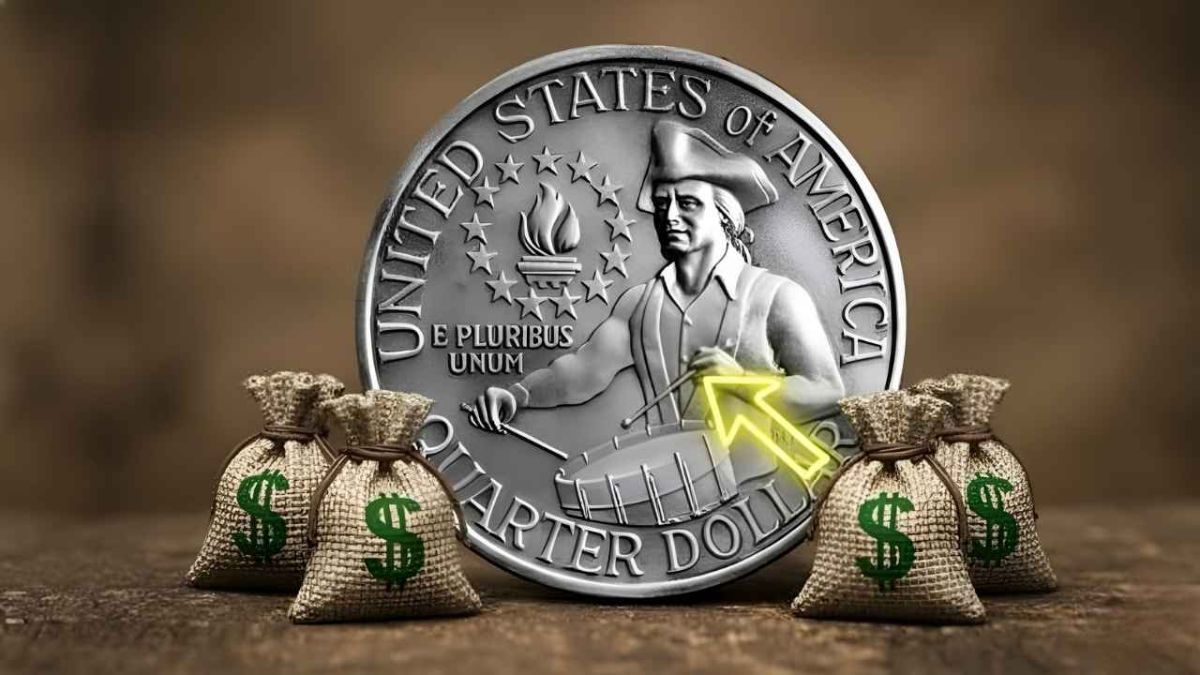
- 2000-P Mule Error (State Quarter Reverse): A legendary minting mistake that paired a Sacagawea obverse with a Washington quarter reverse. These are extremely rare and can fetch over $100,000.
- Double Strikes and Off-Center Errors: These occur when the coin is misaligned or struck more than once, often worth several hundred dollars.
How to Identify Your Coin’s Mint Mark
The mint mark can be found on the obverse (front) of the Sacagawea dollar, near the rim below the date:
- P = Philadelphia
- D = Denver
- S = San Francisco (proof coins)
Coins with an “S” mark are typically part of collector proof sets and often command higher prices than their circulation counterparts.
Tips for Collectors in 2026
- Check for Errors: Always examine coins closely under good lighting or magnification. Minor die errors can hold big value.
- Preserve Condition: Store coins in non-PVC holders to prevent tarnish. Avoid cleaning, as it reduces value.
- Get a Professional Appraisal: For rare varieties like the Cheerios or Mule dollar, grading from PCGS or NGC can confirm authenticity and raise resale potential.
- Stay Informed: Market demand fluctuates. Follow reputable numismatic sources and auction listings to gauge trends.
- Focus on Sets: Building a complete year and mint set is an enjoyable way to grow value over time.
Future Outlook for Sacagawea Dollar Collecting
As the series continues under the Native American $1 Coin Program, more collectors are rediscovering the artistry and symbolism behind the Sacagawea dollar. While most will remain face-value keepsakes, key errors and special editions ensure continued interest and rising values in the numismatic market.
In 2026, these coins bridge American history and modern collecting—reminding us that even modern currency can carry timeless worth.
Summary
The Sacagawea dollar is more than a coin—it’s a tribute to Native American heritage and exploration. While everyday versions may only be worth a dollar, unique varieties like the Cheerios and Mule errors make this series a hidden treasure for collectors. With proper care, research, and attention to detail, you can uncover the hidden potential in your pocket change.