The 1976 Bicentennial Quarter might look like just another coin in your change, but some of these quarters are worth far more than twenty-five cents. Many collectors and enthusiasts are now realizing that a few special versions of this coin could fetch hundreds or even thousands of dollars.
Whether you found one in a drawer or inherited a coin collection, understanding what makes certain Bicentennial Quarters valuable could turn an ordinary coin into a surprising treasure.
A Quick Look at the Bicentennial Quarter
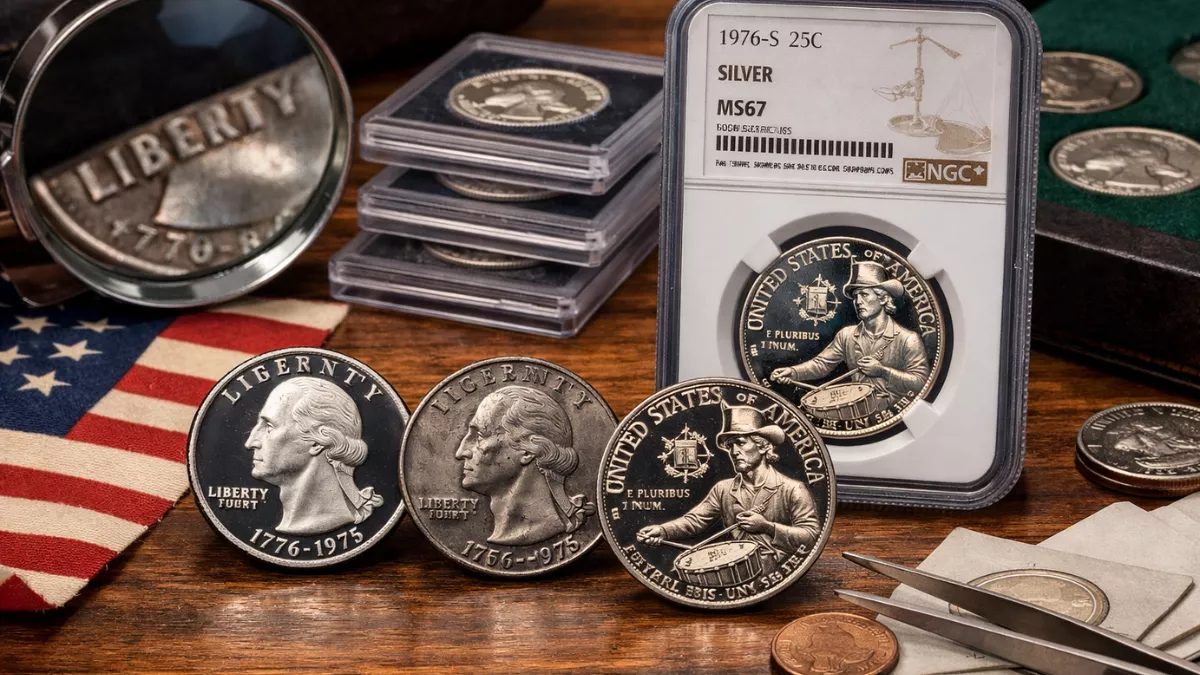
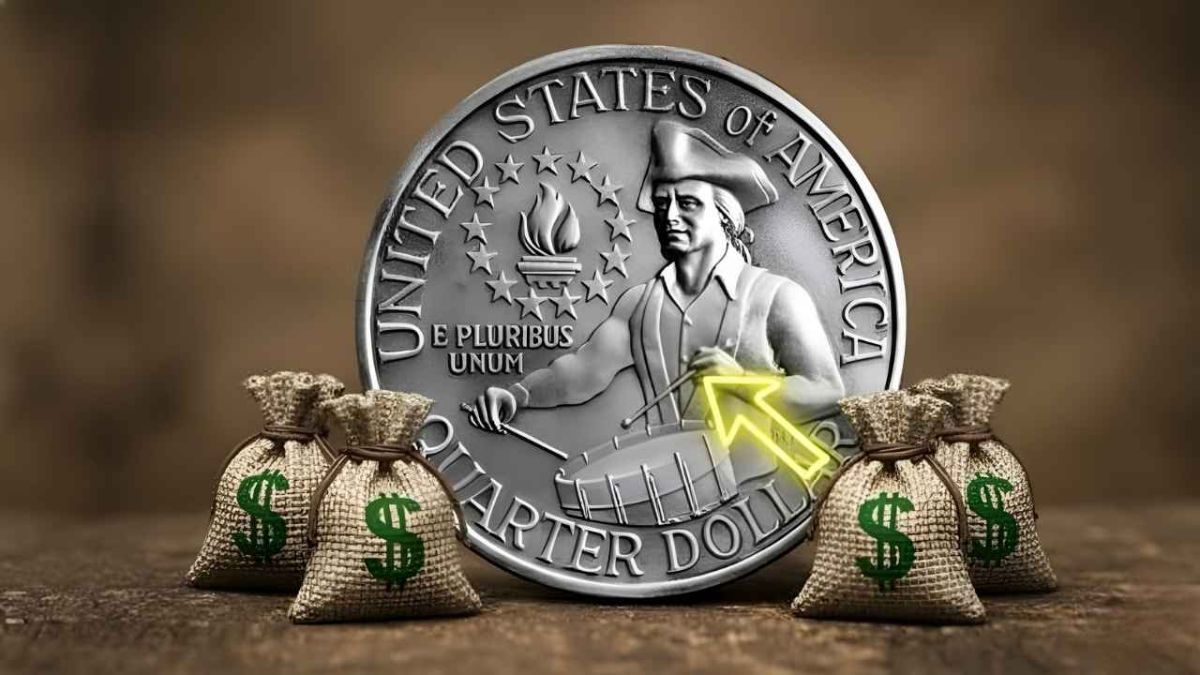
In 1976, the U.S. Mint released a special quarter to celebrate America’s 200th anniversary of independence. Unlike regular quarters, the Bicentennial design featured a colonial drummer on the reverse side and the dual date “1776–1976.”
Millions of these coins were produced for circulation, but not all are created equal. Certain mint marks, conditions, and metal compositions make some quarters highly collectible today.
Why Some Bicentennial Quarters Are Worth Big Money
The main reason some Bicentennial Quarters are valuable comes down to rarity and condition. Most quarters were made for everyday use, but a limited number were struck in 40% silver for collectors. These silver-clad versions were produced at the San Francisco Mint and bear an “S” mint mark. Coins in pristine, uncirculated condition—especially those graded MS-67 or higher—can command strong prices at auctions.
Additionally, errors and special varieties also add to a coin’s value. Examples include double dies, off-center strikes, and coins struck on the wrong planchet. These minting mistakes are rare, making them attractive to serious collectors.
Key Factors That Determine Bicentennial Quarter Value
- Mint Mark – Look for mint marks on the obverse (front) side of the coin, near Washington’s ponytail. Quarters with an “S” (San Francisco) or “D” (Denver) may hold more value than those from Philadelphia with no mark.
- Metal Composition – Most quarters are copper-nickel, but silver-clad versions are worth significantly more due to their precious metal content.
- Condition and Grading – Coins in uncirculated or proof condition often carry the highest premiums. A professional grading service like PCGS or NGC can help determine a coin’s market value.
- Error Types – Rare minting errors can transform an ordinary coin into a high-value collectible. Always inspect coins carefully or consult a professional if you suspect an error.
Examples of Valuable Bicentennial Quarters
- 1976-S Silver Proof Bicentennial Quarter: These coins were part of special collector sets and can be worth anywhere from $10 to over $100 depending on condition.
- 1976-D High-Grade Quarters: Denver-minted coins in top grades, especially MS-67 and above, can sell for several hundred dollars.
- Major Error Coins: Rare misstrikes or double die errors have been known to reach prices of $1,000 or more among dedicated collectors.
How to Identify a Valuable Bicentennial Quarter
Start by examining your coin’s details under good lighting. Check the mint mark, then inspect the surfaces for scratches or discoloration. A coin in shiny, sharp detail may be uncirculated or proof-quality.
If you suspect it’s silver, you can weigh it—silver-clad quarters are slightly heavier (around 5.75 grams) compared to regular ones (5.67 grams). For confirmation, having the coin appraised by a reputable dealer or grading service is always a smart move.
Preserving and Storing Your Coin Collection
Proper storage helps maintain your coin’s condition and value. Keep your Bicentennial Quarters in acid-free holders or coin capsules to prevent tarnish. Avoid cleaning coins, as this can reduce their value. If you plan to collect more, consider storing them in temperature-controlled environments away from humidity and sunlight.
Why Collectors Love the Bicentennial Quarter
Beyond monetary value, this coin carries deep historical significance. It represents a pivotal moment in U.S. history—the nation’s 200th year of independence—and showcases a design that stands apart from the typical Washington Quarter. Its nostalgic charm and patriotic symbolism make it a favorite among both seasoned numismatists and new collectors alike.
Final Thoughts
While most Bicentennial Quarters are worth only face value, some hold surprising potential for serious profit. Whether it’s a silver-clad proof, a high-grade mint state example, or a rare error coin, knowing what to look for could help you uncover a hidden gem in your pocket change. Before spending it, take a closer look—you might just have a small piece of American history worth much more than twenty-five cents.