
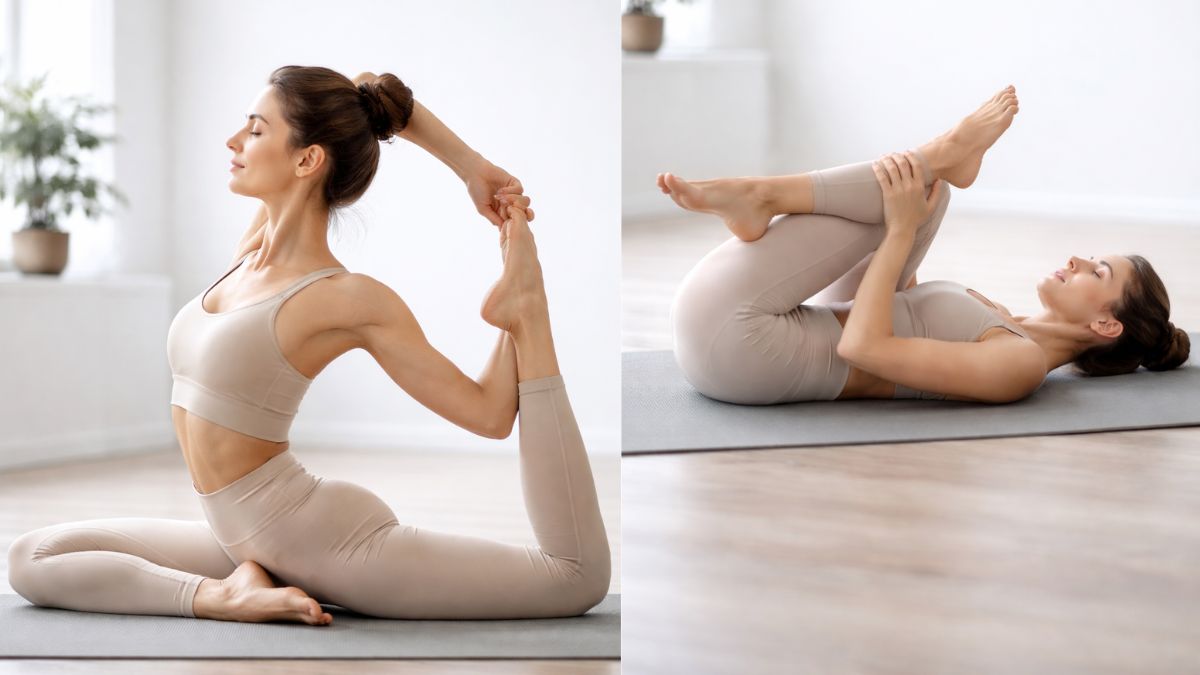
Tight hips are one of the most common physical complaints in modern life. Long hours of sitting, limited movement, stress, and even intense workouts can cause the hip joints and surrounding muscles to become stiff and uncomfortable. Over time, this tightness can affect posture, limit mobility, contribute to lower-back pain, and reduce overall body balance.
Yoga offers a gentle, effective, and sustainable way to release hip tension while improving flexibility, circulation, and mind–body awareness. Unlike aggressive stretching, yoga focuses on slow, mindful movements that allow the hips to open gradually and safely.
In this article, we explore 16 yoga poses that gently loosen tight hips and reduce stiffness, suitable for beginners as well as experienced practitioners. Practiced regularly, these poses can help restore ease of movement, reduce discomfort, and promote a sense of relaxation and well-being.
Understanding Hip Tightness
The hips are a complex structure involving muscles, ligaments, tendons, and one of the body’s largest joints. Key muscles such as the hip flexors, glutes, adductors, and piriformis often become tight due to:
- Prolonged sitting or sedentary habits
- Limited stretching after exercise
- Stress and emotional tension stored in the hips
- Repetitive movements or poor posture
Yoga helps counteract these effects by encouraging gentle lengthening, controlled strengthening, and mindful breathing, which together release tension safely.
1. Easy Pose (Sukhasana)
This simple seated posture is a foundational hip opener.
How it helps:
Sukhasana gently stretches the outer hips and thighs while promoting upright posture and calm breathing.
How to practice:
Sit cross-legged with the spine tall. Rest your hands on your knees and breathe deeply for 1–2 minutes. If your knees sit high, place cushions under them for support.
2. Bound Angle Pose (Baddha Konasana)
A classic hip-opening posture, especially beneficial for inner thighs.
How it helps:
It stretches the inner thighs, groin, and hips while encouraging circulation in the pelvic area.
How to practice:
Sit with the soles of your feet together, knees falling outward. Hold your feet or ankles and gently hinge forward if comfortable.
3. Butterfly Forward Fold
A deeper variation of Bound Angle Pose.
How it helps:
This pose enhances flexibility in the hips and lower back while calming the nervous system.
How to practice:
From Baddha Konasana, gently fold forward, keeping the spine long. Let gravity do the work rather than forcing the stretch.
4. Child’s Pose (Balasana)
A restorative posture that provides gentle hip release.
How it helps:
It relaxes the hips, lower back, and thighs while promoting deep relaxation.
How to practice:
Kneel on the mat, sit back on your heels, and fold forward. Widen the knees slightly for a deeper hip stretch.
5. Low Lunge (Anjaneyasana)
An excellent pose for releasing tight hip flexors.
How it helps:
This posture counteracts the effects of prolonged sitting by stretching the front of the hips.
How to practice:
Step one foot forward into a lunge, lower the back knee, and gently sink the hips downward while keeping the chest lifted.
6. Lizard Pose (Utthan Pristhasana)
A deeper hip opener that can be modified for beginners.
How it helps:
It targets the hip flexors, inner thighs, and groin.
How to practice:
From a low lunge, move the front foot slightly outward and lower the forearms to the mat or blocks.
7. Pigeon Pose (Eka Pada Rajakapotasana)
One of the most effective poses for releasing deep hip tension.
How it helps:
It stretches the glutes, piriformis, and hip rotators.
How to practice:
Bring one knee forward, extend the opposite leg back, and fold gently over the front leg. Use props for support if needed.
8. Reclined Pigeon (Figure Four Pose)
A gentle alternative to Pigeon Pose.
How it helps:
It provides a controlled stretch to the hips without putting pressure on the knees.
How to practice:
Lie on your back, cross one ankle over the opposite knee, and gently draw the legs toward the chest.
9. Happy Baby Pose (Ananda Balasana)
A playful yet powerful hip opener.
How it helps:
This pose stretches the inner hips and lower back while relieving tension.
How to practice:
Lie on your back, grab the outer edges of your feet, and gently draw the knees toward the armpits.
10. Garland Pose (Malasana)
A deep squat that improves hip mobility.
How it helps:
Malasana opens the hips, ankles, and groin while strengthening the lower body.
How to practice:
Lower into a squat with feet slightly wider than hip-width. Keep the chest lifted and hands together at the heart.
11. Wide-Legged Forward Fold (Prasarita Padottanasana)
A grounding pose that gently stretches the hips.
How it helps:
It lengthens the inner thighs and releases tension in the hips and spine.
How to practice:
Stand with feet wide apart and fold forward from the hips, keeping the spine long.
12. Frog Pose (Mandukasana Variation)
An intense yet effective hip opener.
How it helps:
This pose deeply stretches the inner thighs and hip joints.
How to practice:
Come onto hands and knees, slowly widen the knees, and lower onto forearms. Use padding for comfort.
13. Supine Twist
A gentle pose for overall hip relaxation.
How it helps:
Twists release tension in the hips and lower back while improving spinal mobility.
How to practice:
Lie on your back, draw one knee into the chest, and gently twist it across the body.
14. Bridge Pose (Setu Bandhasana)
A mild backbend that also opens the hips.
How it helps:
Bridge Pose stretches the hip flexors and strengthens the glutes.
How to practice:
Lie on your back, bend the knees, and lift the hips while pressing through the feet.
15. Cow Face Pose (Gomukhasana – Legs)
An excellent posture for hip alignment.
How it helps:
It stretches the outer hips and thighs while improving joint mobility.
How to practice:
Stack one knee over the other while seated, keeping both sit bones grounded.
16. Legs Up the Wall (Viparita Karani)
A restorative pose to end your practice.
How it helps:
It relaxes the hips, improves circulation, and calms the nervous system.
How to practice:
Lie on your back with legs resting up against a wall. Stay for 3–5 minutes with slow breathing.
Tips for Practicing Hip-Opening Yoga Safely
- Move slowly and avoid forcing any stretch
- Use props like blocks, bolsters, or cushions
- Focus on deep, steady breathing
- Practice consistently rather than intensely
- Listen to your body and respect its limits
Conclusion
Tight hips don’t develop overnight, and they won’t disappear instantly either. However, with regular, mindful yoga practice, you can gradually loosen stiff hip muscles, restore mobility, and improve overall comfort in daily movement. These 16 yoga poses offer a balanced combination of gentle stretches, deeper openings, and restorative postures that work together to release tension safely.
Whether you sit for long hours, exercise frequently, or simply feel restricted in your movement, incorporating these poses into your routine can help your hips feel more open, relaxed, and free. Over time, you may notice better posture, improved flexibility, reduced discomfort, and a deeper connection between your body and breath — the true essence of yoga.